 Skip to content
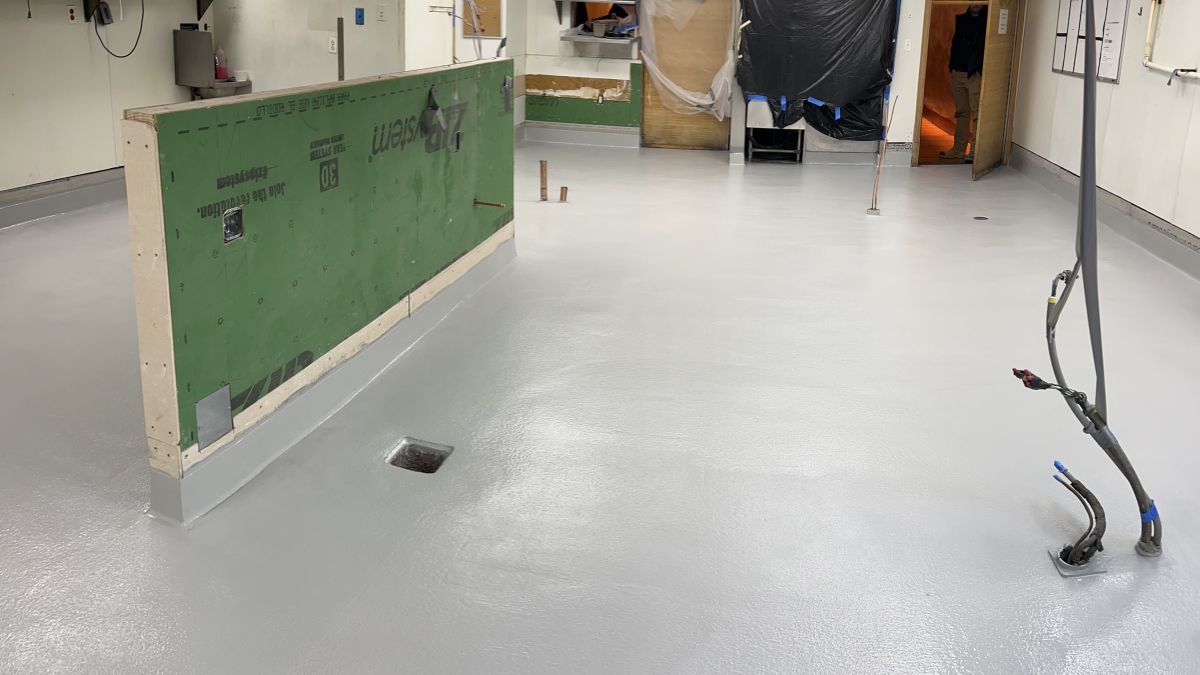
Durable Commercial Kitchen Flooring in Morristown, NJ: Compliance & Performance The Standard for Morristown Hospitality & Institutional Dining Morristown’s vibrant culinary scene—from the...
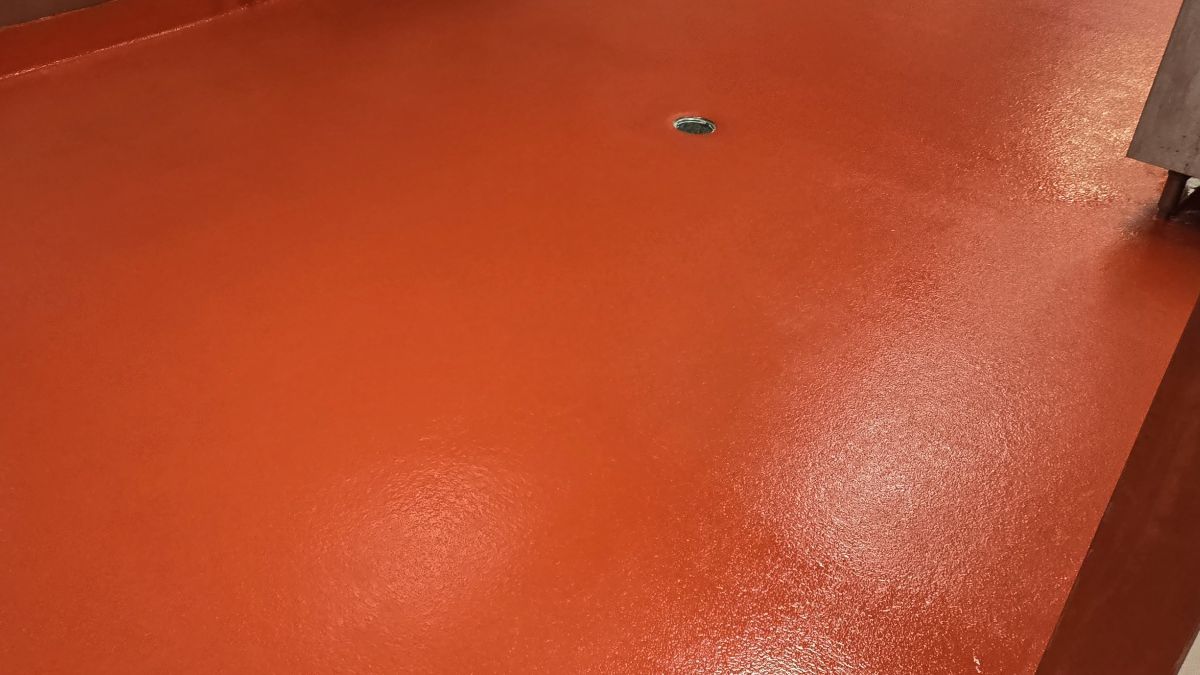
High-performance commercial kitchen flooring in Asbury Park, NJ. HPS provides USDA-compliant, slip-resistant urethane cement for Shore restaurants and facilities...
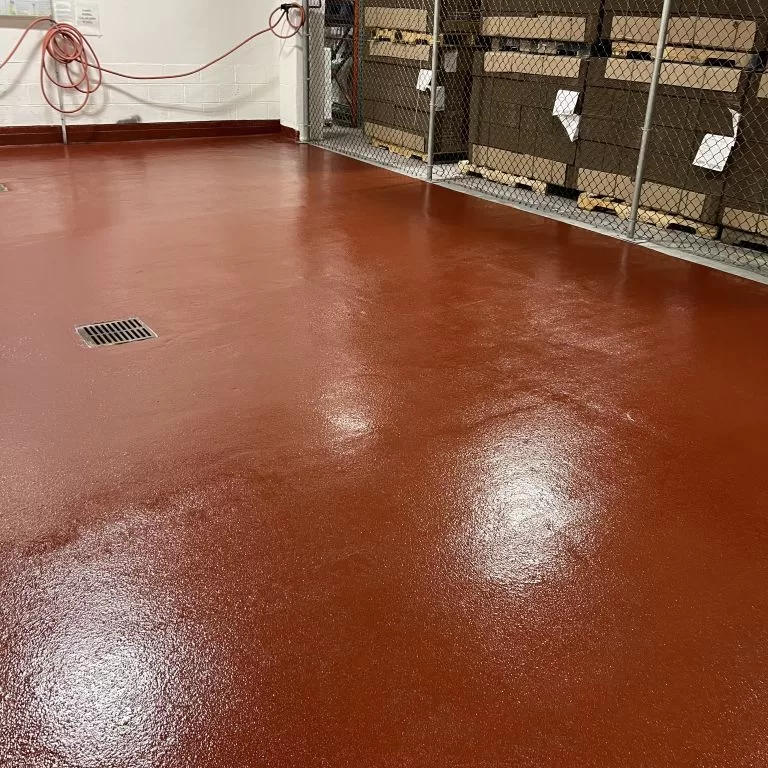
Durable and Quick To Clean Commercial Kitchen Flooring Thermal Shock Resistance for Commercial Washdowns Our commercial kitchen flooring endure extreme temperature swings—from walk-in freezers to...
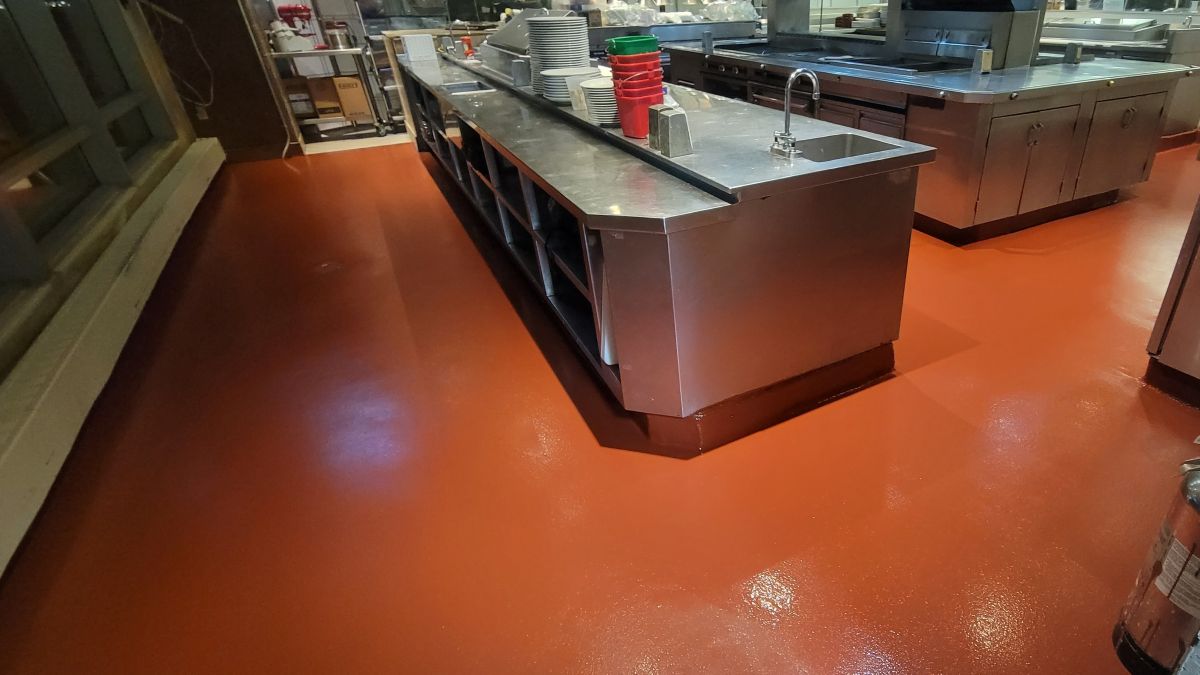
The Standard for Commercial Kitchen Flooring in Montclair, NJ In the demanding environment of a Montclair commercial kitchen, your floor is a critical component of your facility’s safety and...
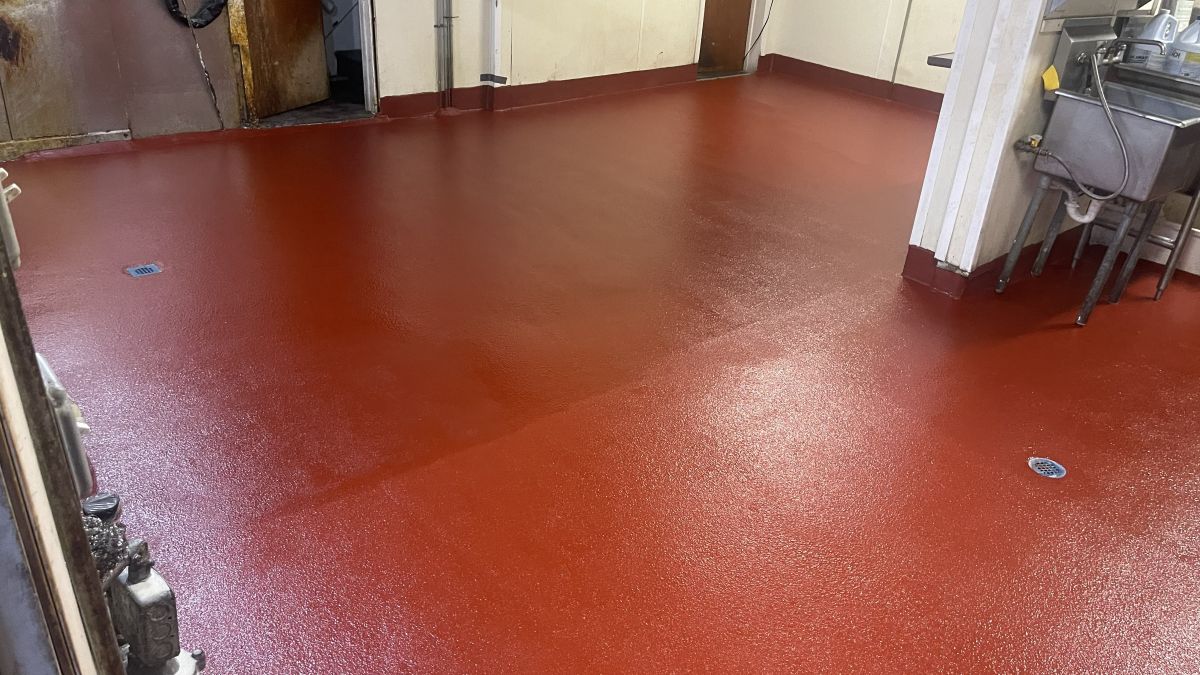
High-Performance Commercial Kitchen Flooring in Red Bank, NJ The Red Bank Standard: Why Your Floor Matters Red Bank is home to some of Monmouth County’s most prestigious dining destinations. Whether...

Discover how high-solid industrial epoxy coatings protect distribution center floors from continuous forklift traffic, heavy pallet loads, and concrete dusting...
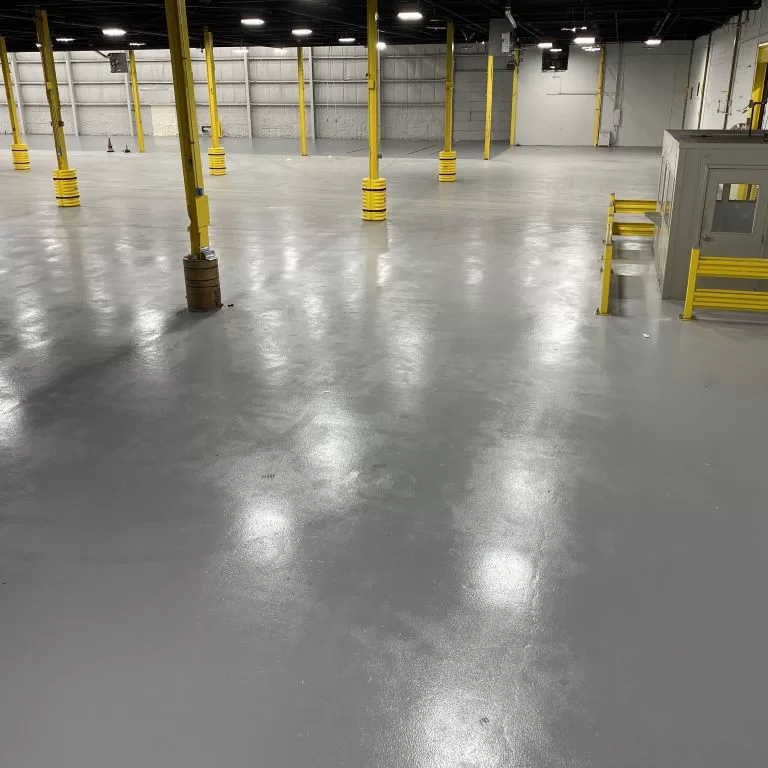
Industrial Epoxy Flooring for Warehouses in NJ & Tri-State Why High-Performance Epoxy Flooring for Warehouse Facilities is a Must Epoxy flooring for warehouse facilities is the gold standard for...
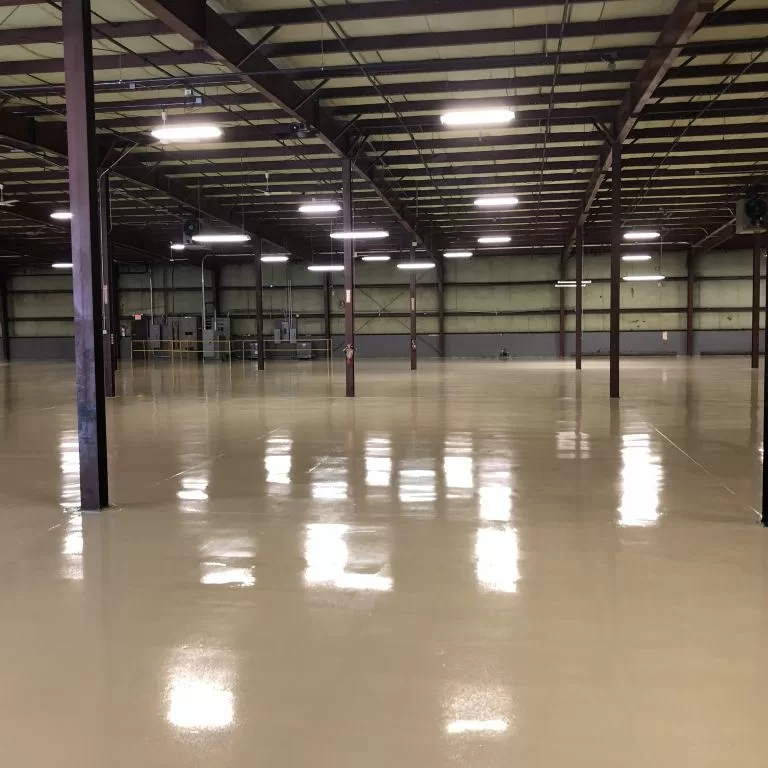
Epoxy Warehouse Floors in New Jersey Best Practices for Epoxy Warehouse Floors: Prep & Installation A seamless epoxy floor relies heavily on precision preparation. HPS Flooring follows a strict...

Commercial kitchen epoxy flooring in NJ. Seamless, slip-resistant & chemical-resistant resinous systems for food prep facilities. Get a quote!...
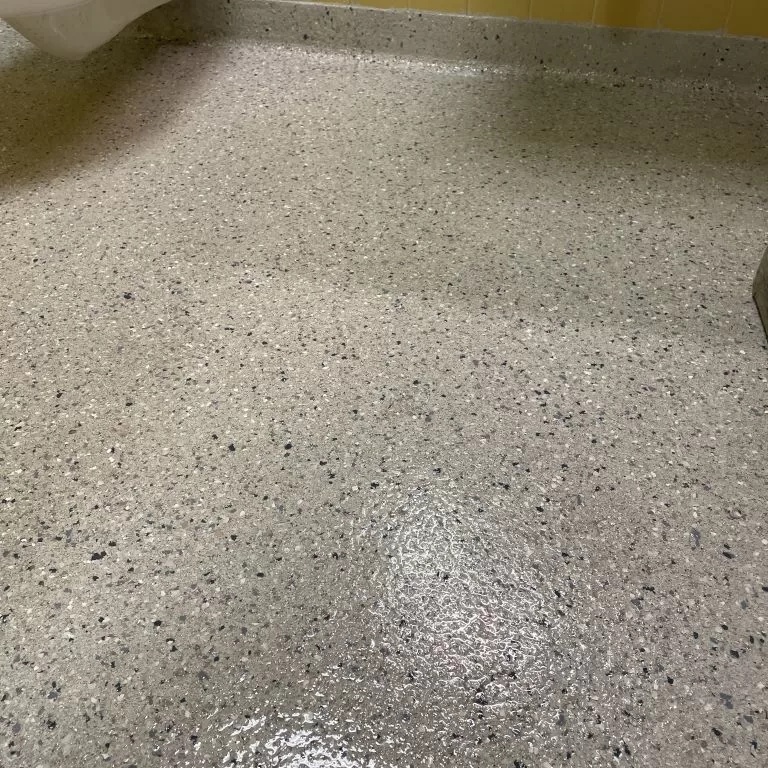
Seamless Epoxy Flooring Installation Over Existing Tile Can Epoxy Flooring Be Installed Over Tile? Yes—provided the underlying tile is well-bonded to the concrete slab, a professional installation of...