...

Durable and Quick To Clean Commercial Kitchen Flooring with Epoxy

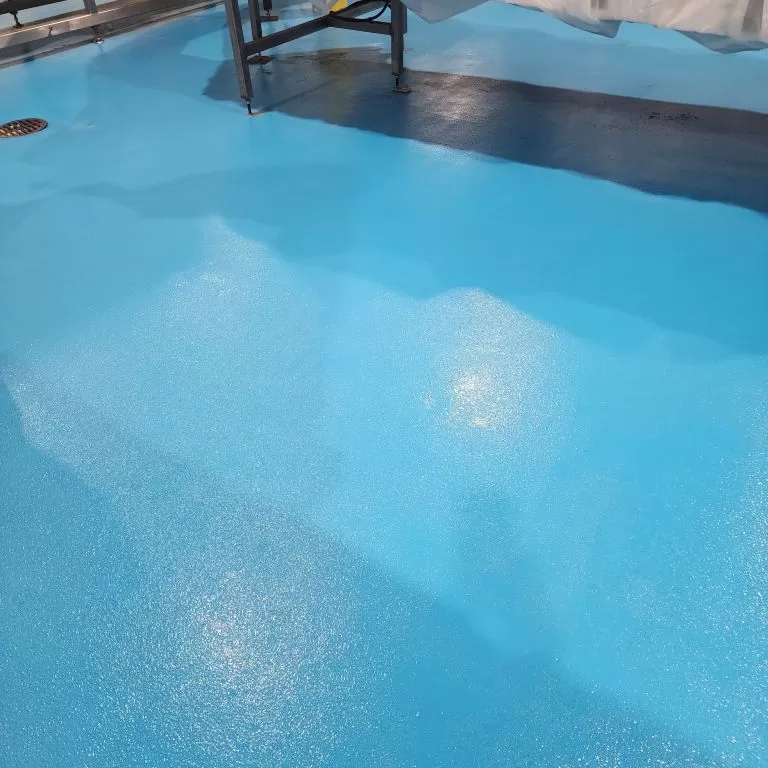
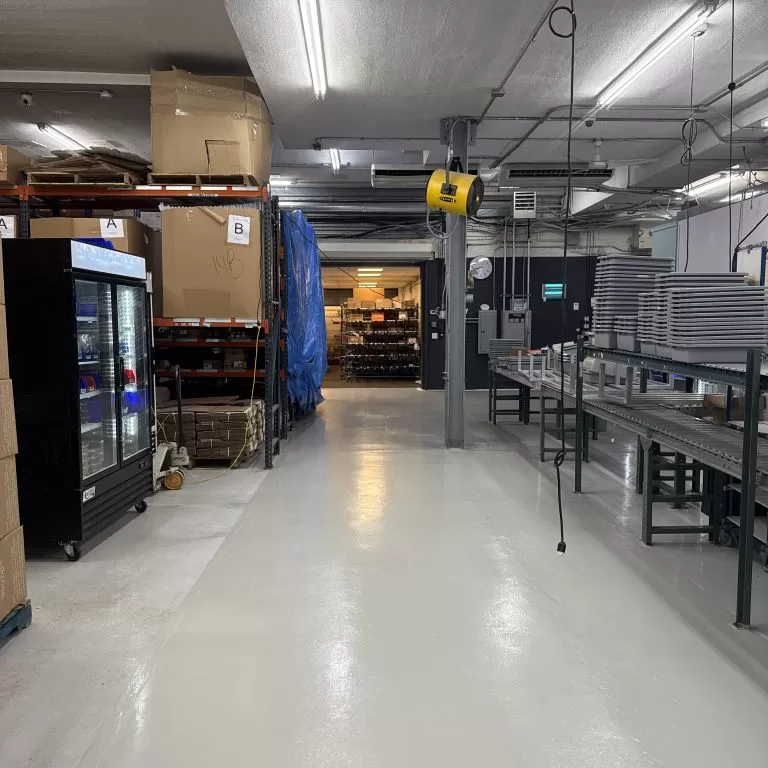
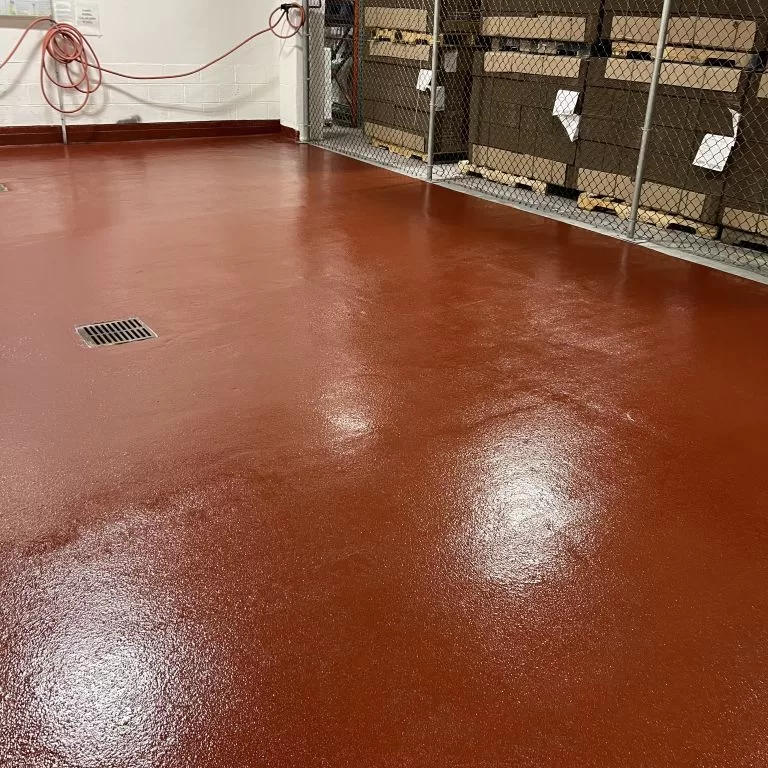
Selecting the best commercial kitchen flooring with epoxy in NJ is critical to your operations’ success.
Why choose epoxy flooring for commercial kitchen applications?
Epoxy flooring is ideal for commercial kitchens because it provides a seamless surface that prevents dirt and bacteria from accumulating, delivers excellent chemical and spill resistance, and reduces maintenance costs while offering long-term durability.
What protection do HPS Flooring epoxy systems in New Jersey?

How does HPS Flooring protect floors from grease, spills, and high temperatures?
HPS Flooring installs flooring to protect against grease, spills, high temperatures, and traffic concerns.
Are HPS Flooring resins resistant to harsh cleansers?
Our resins are specifically designed to protect against the harsh cleansers that are frequently used to maintain proper sanitation.
What experience does HPS Flooring have with unique flooring challenges?
After over 37 years of honing our craft, we have the solution to most any unique circumstance you may encounter.
How durable and cost-effective is the slip-resistant kitchen floor commercial system?
The durability creates a cost-saving benefit not only in downtime, but its long lifespan makes our slip-resistant kitchen floor commercial system a game-changer.

HPS Flooring installs flooring to protect against grease, spills, high temperatures, and traffic concerns. Our resins flooring systems are specifically designed to protect against the harsh cleansers that are frequently used to maintain proper sanitation.

commercial kitchen flooring
After over 37 years of honing our craft, we have the solution to most any unique circumstance you may encounter. The durability creates a cost-saving benefit not only in downtime, but its long lifespan makes our slip-resistant kitchen floor commercial system a game-changer.

Why Choose Commercial Kitchen Flooring With Epoxy?

Why is commercial kitchen flooring with epoxy in NJ ideal for old tile? Our commercial kitchen flooring with epoxy in NJ is ideal, particularly where old tile exists—no more mortise joints to maintain. What happens when baked-on glaze is removed from tile? By removing the baked-on glaze, you exposed the clay base, which retains the same expansion coefficient as concrete. How does the bond between tile and thermally cured resins work? The bond between tile and the thermally cured resins welds them together effectively, reducing any concerns for disbonding. Why is applying epoxy directly to concrete common? Applying directly to concrete is more typical, which is why our high adhesion rating is vital to a long-term solution.
How durable is the epoxy commercial kitchen flooring system? Beyond the bond, our epoxy commercial kitchen flooring system has exceptional durability. Does the seamless nature of the flooring reduce bacteria concerns? Its seamless nature reduces any concerns for trapping potential bacteria within the flooring system. How resistant is the flooring to chemicals and stains? It also boasts great chemical resistance, minimizing stains. Finally, because it is seamless and durable, daily cleaning is quick and easy, reducing maintenance costs.
commercial kitchen flooring

How long does the installation of a commercial kitchen epoxy floor typically take?

For many kitchen-sized areas, we complete the floor in approximately three days, working around the schedule and production needs of our client. This includes surface preparation, application of slurry with broadcast aggregate if required for slip resistance, and the chemical resin topcoat.

Can epoxy flooring be applied over old tile or directly to concrete?

Yes. Epoxy flooring can be applied directly to concrete, and in many cases over existing tile (after removing or profiling the glazed surface) because the thermal expansion coefficient matches. What materials and preparation does the system use for a strong bond? Our system uses high-adhesion resins and proper preparation (including HEPA vacuum and diamond grinding) to ensure a strong bond and long-term performance.

Epoxy Flooring For Commercial Kitchen Flooring

How do you prepare old butcher block flooring for commercial kitchen flooring in NJ? For our commercial kitchen flooring solution in NJ, we removed the glaze from this old butcher block flooring, exposing the clay base to create the ideal bond. What equipment is used for preparation? We achieve this through the use of our state-of-the-art HEPA vacuum system and an 800-pound diamond grinding equipment. Why is the weight of the equipment important? The weight is important as its down pressure ensures us of a great profile, creating both a chemical and mechanical bond.
How time-efficient is the epoxy flooring installation? The entire installation is very time-efficient, reducing any lost time. How long does it usually take to finish a kitchen of this size? We generally finish a kitchen of this size in a 3-day range. Do you work hours to accommodate production needs? Of course, we do work hours in an effort to accommodate our customers’ production needs.

Why doesn’t the epoxy flooring system require a primer? Because our epoxy flooring system has such a high adhesion rating, it does not require a primer. What preparation is needed before applying the epoxy? Once the floor is clear of any bond inhibitors, such as dust or other substances that might cause long-term concerns. What materials are applied for impact resistance and slip resistance? We apply our slurry and broadcast aggregate that will create impact resistance and a better slip-resistant kitchen floor commercial system to ensure safety for your staff.

commercial kitchen flooring
Finally, we apply our chemical resin topcoat, making this floor a great long-term solution, saving our customers both time and money.

Is slip resistance included in the commercial kitchen epoxy flooring system?
Yes. Our commercial kitchen floor system incorporates a broadcast aggregate in the slurry phase to create a slip-resistant texture. This helps protect staff from accidents and provides a safer work environment.

commercial kitchen flooring
How can I contact an expert epoxy flooring contractor? For expert epoxy flooring contractor services, please do not hesitate to give us a call to discuss your needs. Why should I try the free consultation? As each project has unique circumstances, we hope to encourage you to give our free, non-hassle consultation a try today. Will I be happy with the results? We think you will be happy with the results.

Conclusion: Commercial Kitchen Flooring

Who has provided commercial kitchen floor installation services since 1988? HPS Flooring has provided commercial kitchen floor installation services since 1988. What benefits does the system offer? Our system offers many benefits to include durability, easy cleaning, chemical resistance, and a non-slip texture to protect your staff from any accidents. Our system offers many benefits to include durability, easy cleaning, chemical resistance, and a non-slip texture to protect your staff from any accidents.

What kind of maintenance and cleaning is required for epoxy commercial kitchen flooring?
Because the epoxy surface is seamless and non-porous, daily cleaning is fast and efficient. It resists stains and harsh cleaning agents, so your maintenance time and cost go down.

How do I keep the epoxy floor in top condition? Regular sweeping, damp‑mopping, and appropriate cleaning agents are all that is required to keep the floor in top condition. The maintenance on this system is minimal as cleaning is quick and easy, and the lifespan creates a great return investment.

For expert epoxy flooring contractor services, please do not hesitate to give us a call to discuss your needs. As each project has unique circumstances. We hope to encourage you to give our free, non-hassle consultation a try today. We think you will be happy with the results.

Frequently Asked Questions

Why is epoxy flooring ideal for commercial kitchens?

Epoxy flooring is the preferred choice for commercial kitchens because it provides a seamless, non-porous surface. This design prevents the accumulation of dirt and bacteria, offers excellent resistance to grease and chemical spills, and withstands the high temperatures and heavy traffic common in food service environments.

Can epoxy be installed over existing kitchen tile?

Yes. HPS Floors can apply epoxy over old tile by removing the baked-on glaze to expose the clay base. This process ensures the thermal expansion coefficient matches the concrete, creating a strong bond that “welds” the materials together and eliminates the need to maintain porous mortar joints.

How does the system ensure staff safety in wet conditions?

Safety is a priority in busy kitchens. The commercial kitchen floor system incorporates a broadcast aggregate during the slurry phase. This creates a durable, slip-resistant texture that helps protect staff from accidents even when the floor is wet or greasy.

How long does a typical kitchen floor installation take?

HPS Flooring typically completes an average-sized kitchen installation in approximately three days. Their team works flexible hours to accommodate the production needs and schedules of their clients, minimizing operational downtime.

What are the maintenance requirements for these floors?

Because the surface is seamless and non-porous, maintenance is minimal. Daily cleaning is fast and efficient, requiring only regular sweeping and damp-mopping with appropriate cleaning agents. The resin is specifically designed to resist the harsh cleansers used to meet strict health and sanitation regulations.