 Skip to content
Seamless Pharmaceutical and Healthcare Epoxy Flooring Systems
*USDA & FDA Compliant *Vapor Mitigation *Antimicrobial Properties *Slip Resistance (COF)
In high-stakes medical, research, and manufacturing environments, your flooring is a critical line of defense. Standard commercial floors cannot withstand the rigorous sanitation protocols, chemical exposure, and strict regulatory demands of the life sciences industry.
At HPS Flooring, we engineer and install high-performance, ultra-sanitary resinous flooring systems that help maintain sterile environments and deliver unmatched operational durability.
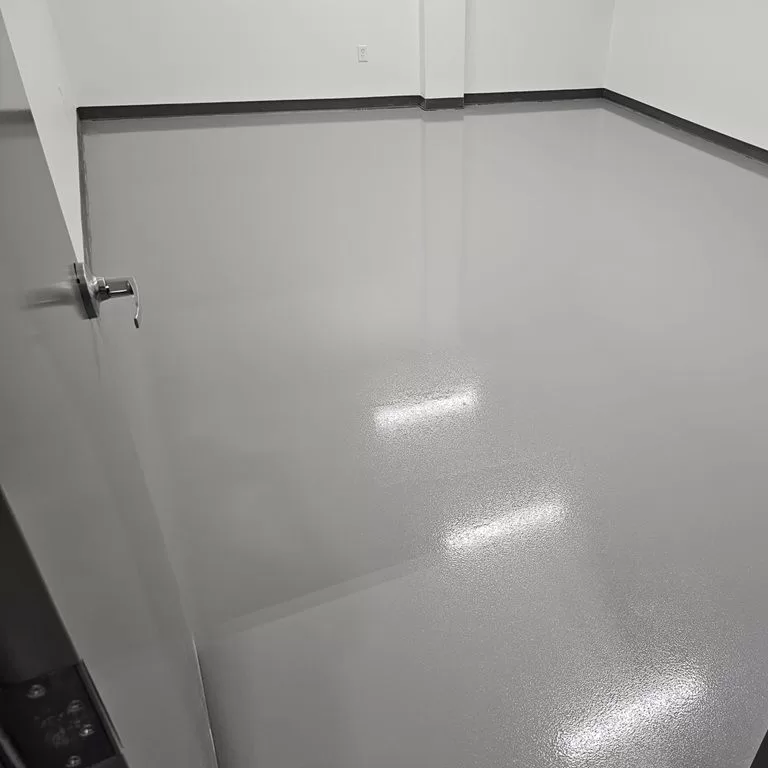
Key Compliance & Performance Features
Our specialized healthcare and pharmaceutical floor coatings are meticulously designed to satisfy the strict requirements of regulatory bodies, including the FDA, USDA, cGMP, and ISO cleanroom standards.
Sterile & Non-Porous Surface: A completely seamless application eliminates grout lines, joints, and seams where bacteria, mold, and pathogens can harbor.
Integrated Antimicrobial Protection: Built-in antimicrobial additives resist microbial growth throughout the entire thickness of the floor, supporting long-term hygiene protocols.
Superior Chemical & Solvent Resistance: Formulated to withstand aggressive sanitizing agents, harsh organic acids, alcohols, and specialized laboratory chemical spills without staining or degrading.
Thermal Shock Resistance: Engineered to endure high-pressure hot water washdowns, steam cleaning, and extreme temperature shifts without blistering or delaminating.
Static Control (ESD) Capabilities: Available in specialized electro-static dissipative (ESD) or conductive layers to protect sensitive laboratory equipment and prevent static discharge in cleanrooms.

Laboratory Flooring: Engineered for Flawless Hygiene & Easy Maintenance
Eliminates Contamination Hazards: Seamless, non-porous resinous surfaces remove grout lines, expansion joints, and microscopic crevices where bacteria, mold, and chemical residues accumulate.
Streamlined Sanitation: Smooth, continuous finish allows for fast, thorough cleaning, routine washdowns, and straightforward decontamination without trapping dirt or moisture.
High Chemical Resistance: Specially formulated to withstand exposure to harsh laboratory reagents, organic solvents, aggressive sanitizing chemicals, and frequent disinfecting agents without staining, degrading, or dulling.
Integrated Hygienic Features: Compatible with seamless resinous cove bases to create fluid floor-to-wall transitions and antimicrobial additives to continuously resist microbial growth across the entire floor thickness.
Long-Term Operational Durability: Protects underlying concrete substrates from heavy foot traffic, equipment rolling loads, and impact while maintaining a professional, sterile appearance.
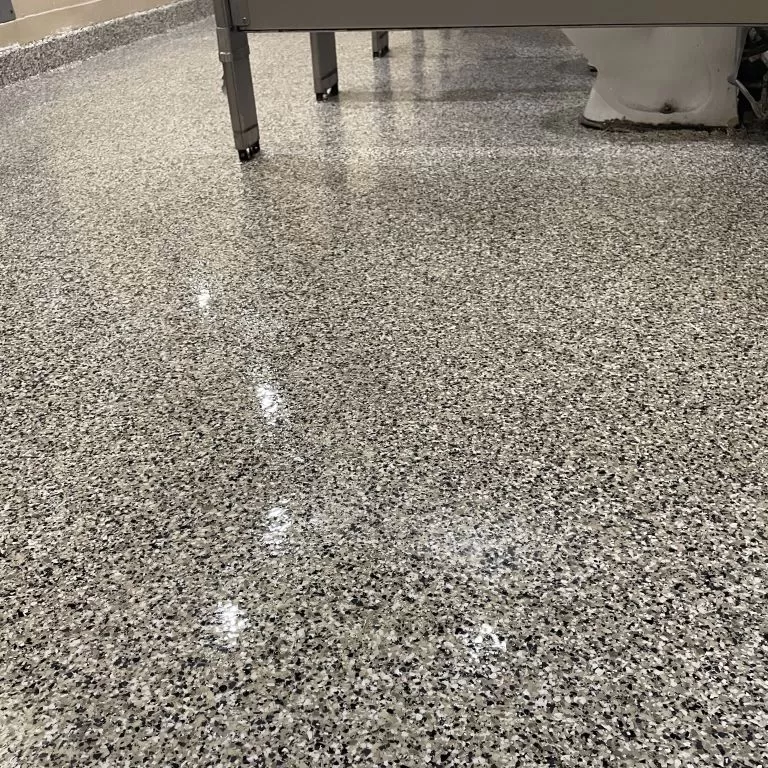
Epoxy Flake Flooring That Maintains a Sterile Environment
Aesthetic Meets Sterile Performance: Combines decorative, multi-colored vinyl flakes with medical-grade resinous systems to deliver high visual appeal without sacrificing hygiene or regulatory compliance.
Seamless & Non-Porous Surface: Eliminates grout lines, cracks, and floor seams where bacteria, viruses, mold, and liquid contaminants can take root and thrive.
Heavy-Duty Resistance: Formulated to endure aggressive chemical disinfection, frequent washdowns, foot traffic, and equipment loads without fading, staining, or degrading.
Hygienic Integration: Pairs effortlessly with resinous cove bases and continuous wall-to-floor seals to create an easily cleanable, completely sealed environment.
Customizable Slip Resistance: Incorporates textured topcoats or specialized aggregate broadcasts to optimize slip resistance while maintaining an easy-to-sanitize finish.

Epoxy Flooring Company That Understands: Clients First Always
Client-Centric Scheduling: Schedules installations around your operational timeline—including evenings, weekends, and planned shutdowns—to eliminate costly downtime and business interruptions.
Turnkey Project Execution: Handles every stage from substrate evaluation and mechanical surface preparation to resin application and final inspection, ensuring seamless quality control throughout.
Tailored Technical Solutions: Specifies and formulates resinous systems based on your facility’s exact environmental demands, compliance requirements, and chemical exposure levels.
Transparent Communication & Planning: Provides clear project timelines, detailed Scope of Work documentation, and direct point-of-contact support to keep your team informed at every phase.
Right-the-First-Time Commitment: Backed by decades of commercial installation expertise to guarantee long-term durability, regulatory compliance, and complete post-installation satisfaction.
Frequently Asked Questions About Pharmaceutical and Healthcare Flooring
What are the key requirements for pharmaceutical and healthcare flooring?
Flooring in these sectors must provide seamless, non-porous surfaces. It is critical that the systems offer excellent chemical and solvent resistance, antimicrobial performance, and static or ESD control where required. All installations must fully comply with cGMP, FDA, ISO, and WHO-GMP guidelines.
Why is a resinous flooring system preferred for these facilities?
Resinous flooring systems are chosen because they support strict hygiene protocols. They provide a surface that is easy to clean, reduces the risk of microbial growth, and is durable enough to withstand heavy use and chemical exposure in critical environments.
Can these floors include specialized safety features like ESD control?
Yes. Modern resinous flooring can be formulated with antimicrobial additives and static dissipative or conductive ESD control layers. Additionally, they can feature integrated color zoning or signage and sealed cove bases to meet stringent regulatory clean-room requirements.
How long does a pharmaceutical-grade epoxy floor typically last?
When installed with correct substrate preparation and properly specified for healthcare use—including considerations for cleaning protocols and chemical resistance—these systems can provide many years of reliable service. Routine preventive maintenance is key to extending this lifespan.
What is the typical installation process for these critical environments?
The professional installation process involves several precise steps:
Evaluation: Substrate testing for moisture and repairing cracks or joints.
Preparation: Mechanical surfacing via shot-blasting or diamond grinding.
Application: Applying primer and build coats (epoxy or urethane).
Finishing: Optional aggregate broadcast for slip or ESD control and a high-performance topcoat. HPS Floors also coordinates these installations specifically to minimize disruptions in sensitive facilities.