 Skip to content
Industrial Epoxy Flooring: Cost and Benefits
What is industrial epoxy flooring, and what are its benefits?
Industrial epoxy flooring is a resinous floor system applied to concrete substrates designed to withstand heavy traffic, chemical exposure, and abrasion and provide a seamless, easy‑to‑clean surface. Benefits include superior durability, enhanced chemical resistance, minimal maintenance, customizable slip resistance, and aesthetic flexibility.
When considering the cost of replacement, epoxy floors are a real benefit, more than the cost of valuable production time.
They can range from corrosion flooring to warehouse resin flooring. They excel in both durability and resisting chemical attack. Can epoxy floor installers customize resin types?
Can epoxy floor installers customize resin types? Moreover, your epoxy floor installer can provide various resin types depending on your space’s requirements. How does HPS Flooring minimize production loss during installation? We at HPS Flooring provide off-hours to minimize any production loss.
NO RESIDENTIAL PLEASE
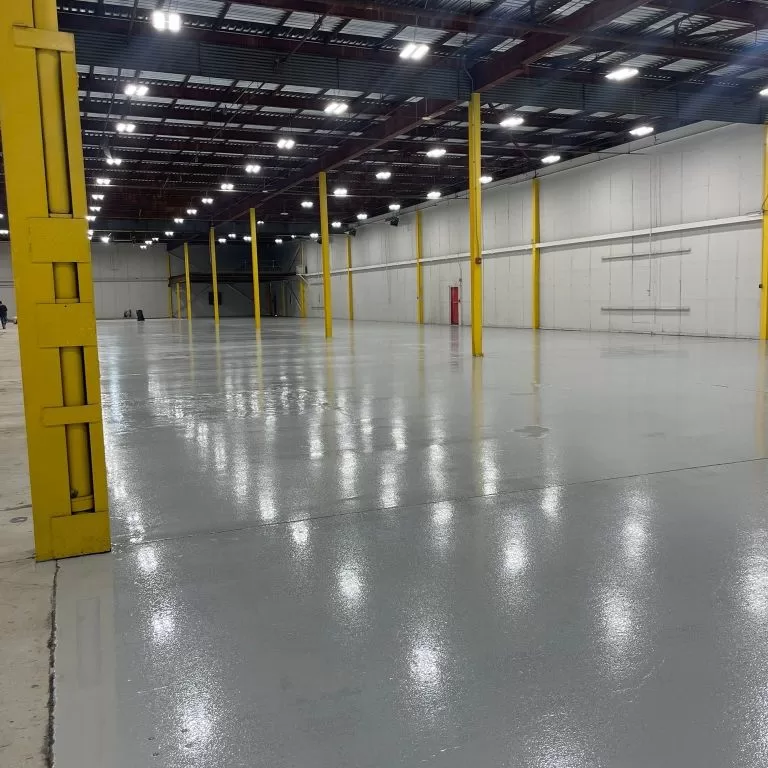
Why Industrial Epoxy Flooring?
Industrial epoxy flooring boasts superior durability under the worst of scenarios. Its smooth texture is ideal for spill resistance and is quick and easy to clean.
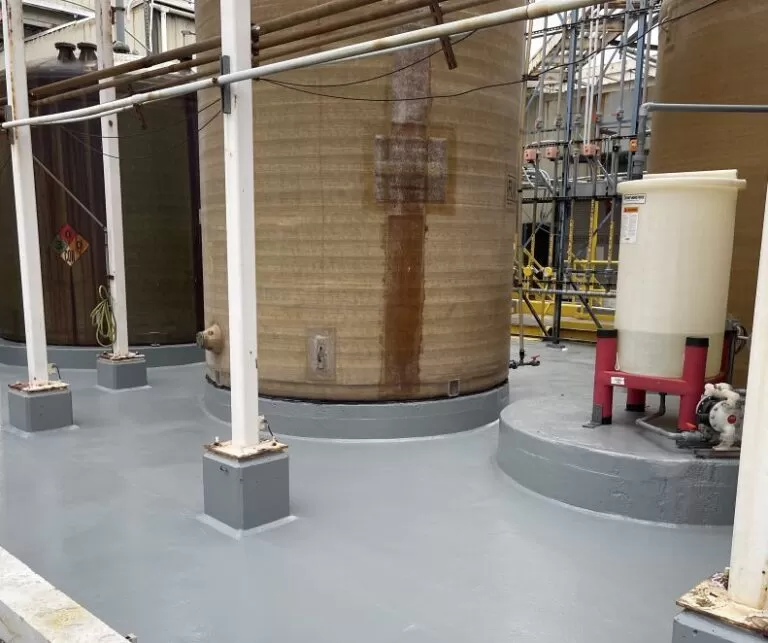
Can I make the epoxy floor slip‑resistant?
Yes. Slip‑resistant additives or textured aggregates can be broadcast into or applied over the epoxy system to meet specific safety and slip‑resistance requirements for wet or high‑traffic areas.

Industrial Epoxy Flooring Costs
How much does industrial epoxy flooring cost?
The cost depends on project size, substrate condition, choice of resin, and installation complexity. As a guideline, industrial‑grade epoxy systems typically cost in the range of approximately $5 to $12 per square foot, but we encourage contacting us for a no‑cost consultation.
How long will an industrial epoxy floor last?
The lifespan of an epoxy floor depends on the specified system, the environmental conditions, the traffic load, and maintenance. A properly installed system in an industrial environment can last many years if the substrate preparation, product specification, and installation process are executed correctly.
We encourage you to take advantage of our no-hassle free consultation. What will I receive during the consultation? As a part of our consultation, we will create a list of your bad actors and the conditions your new flooring will be required to defend against at no cost. How is the flooring specification developed? We will develop a specification that is designed for your circumstances specifically.
Frequently Asked Questions
What is industrial epoxy flooring and what are its benefits?
Industrial epoxy flooring is a resinous system applied to concrete substrates designed to endure heavy traffic, chemical exposure, and abrasion. Key benefits include superior durability, enhanced chemical resistance, minimal maintenance, and customizable slip resistance.
How much does industrial epoxy flooring cost?
While the final price depends on project size and complexity, industrial-grade systems typically range from $5 to $12 per square foot. HPS Floors offers no-cost consultations to provide a specific quote based on your facility’s “bad actors” (corrosive chemicals or physical stressors).
How does HPS Flooring minimize production downtime?
To prevent the loss of valuable production time, HPS Flooring schedules installations during off-hours. This allows the flooring to be prepared and applied without interrupting your standard business operations.
Can industrial epoxy floors be made slip-resistant?
Yes. Safety is a priority, and HPS Floors can broadcast slip-resistant additives or textured aggregates into the system. These are customized to meet the specific safety requirements of your wet or high-traffic areas.
What is the typical installation process?
The professional installation process follows these steps:
Surface Preparation: Mechanical grinding or shot-blasting the concrete.
Repair: Filling cracks or joints as needed.
Priming: Applying an epoxy primer to ensure a strong bond.
Build & Topcoat: Applying the main epoxy build coat, followed by optional texture and a final protective topcoat.